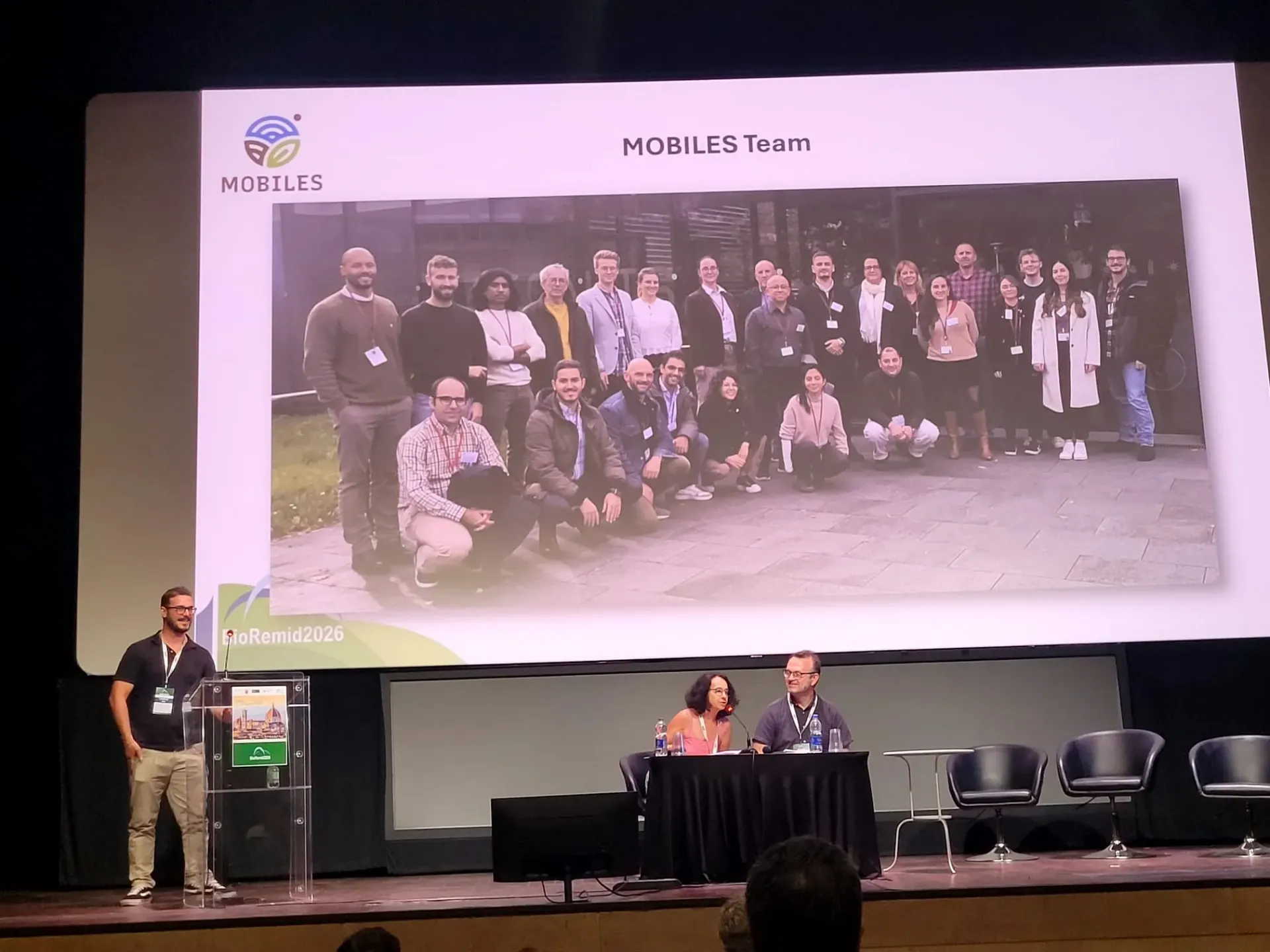
At the BioRemid 2026 conference in Florence, the MOBILES consortium shared early insights from its European‑scale investigation into how soil microbiomes respond to emerging contaminants. Lorenzo Pin (CNR‑ISAFOM) presented the first results from WP3, which aims to understand how microbial communities can act as sensitive indicators of pollution history and type.
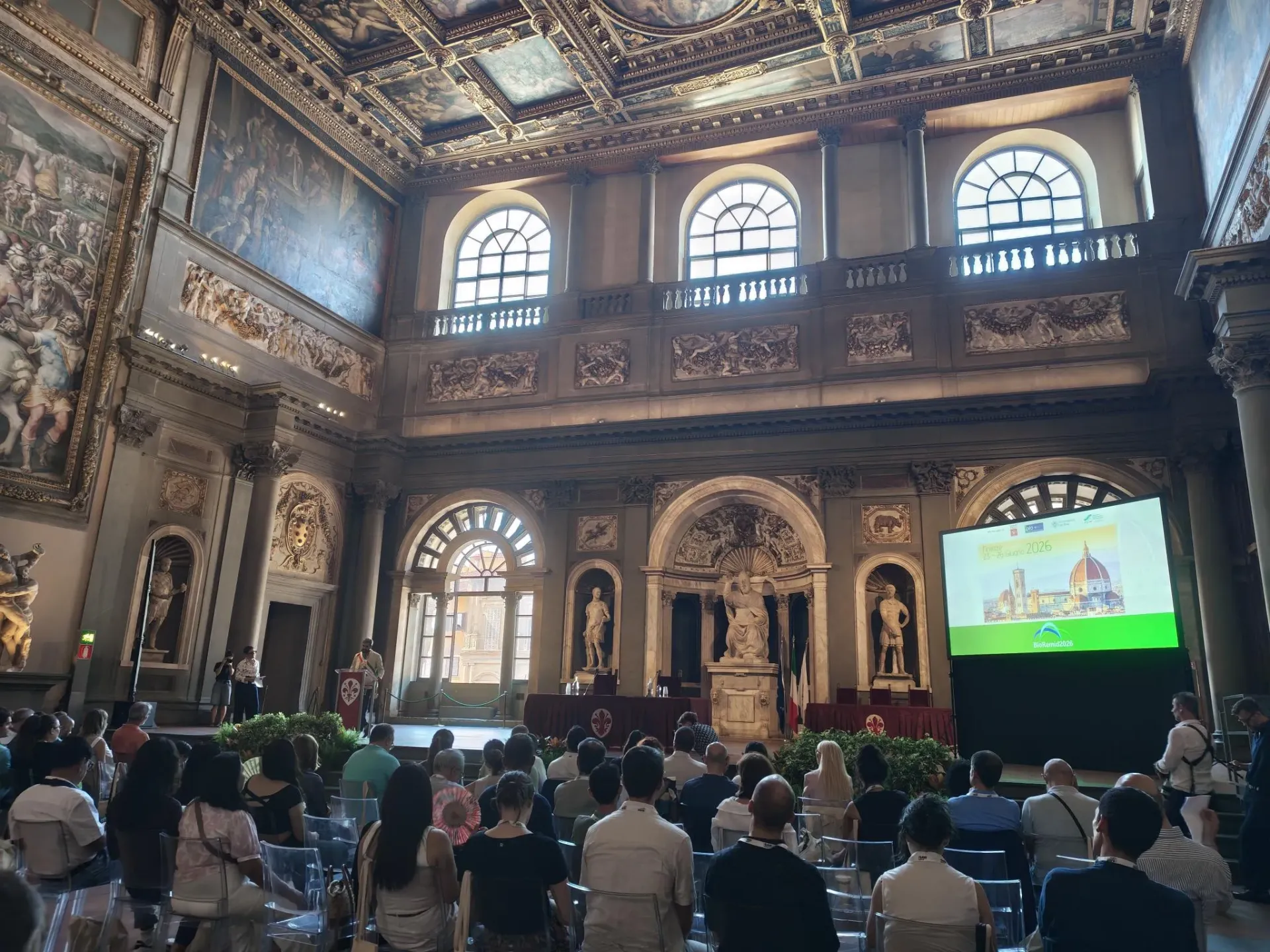
Across Europe, soils are increasingly exposed to complex mixtures of pollutants, from heavy metals and microplastics to antibiotics, pesticides, and residues from agriculture or mining. These stressors can quietly reshape microbial communities, influencing nutrient cycling, carbon turnover, and the ecological functions that healthy soils depend on. The MOBILES team is exploring whether these shifts can be translated into bioindicators: microbial signatures that reveal not only that contamination is present, but what kind of contamination a site has experienced.
During the first project year, MOBILES partners sampled
soils from six countries, each representing a distinct contamination context;
wastewater‑affected soils, heavy metal hotspots, microplastic‑rich
environments, agricultural and livestock‑impacted areas, arsenic‑contaminated
sites, and former mining zones.
Microbial communities were profiled using DNA sequencing
approaches that capture both who is present and how communities
differ across environments. Instead of focusing on detailed statistical
outputs, the presentation highlighted the broader patterns emerging from this
continental dataset.
Together, these findings support the idea that microbiomes can serve as living indicators of soil health, capable of revealing contamination patterns that may not be visible through chemical analysis alone.
All analyses were carried out within the bioinformatic infrastructure developed at Universidad Pública de Navarra, which hosts the growing MOBILES microbiome database. This shared resource will in future allow researchers and environmental agencies to compare sites across Europe, identify emerging trends, and support future monitoring and remediation strategies.
The conference also offered valuable opportunities to connect with other European groups working on soil characterization and environmental biomonitoring, strengthening the scientific network around this topic and informing the development of the MOBILES reference database.